
Success tastes like fish for Bolivian womens’ aquaculture businesses
Topics
Featured
Share online
Learn more about RRU’s business programs.
Sean Irwin, associate professor of business, has worked in Bolivian aquaculture for more than 10 years and has helped it become one of the fastest growing aquaculture systems in the world.
In early 2025, he received a ten-month grant from the Fund for Innovation and Transformation (FIT) grant – who receives support from the Manitoba Council for International Cooperation and Global Affairs Canada for $174,325. The funding supports more impactful change in Bolivia through the introduction of fish powder which supports women's livelihoods and their customers’ nutrition.
“[This grant] project was situated within a bigger vision of the evolution of aquaculture in Bolivia,” Irwin explains. “The focus of this particular one was on product diversification for the people that produce aquaculture fish.
New products expand women-owned businesses
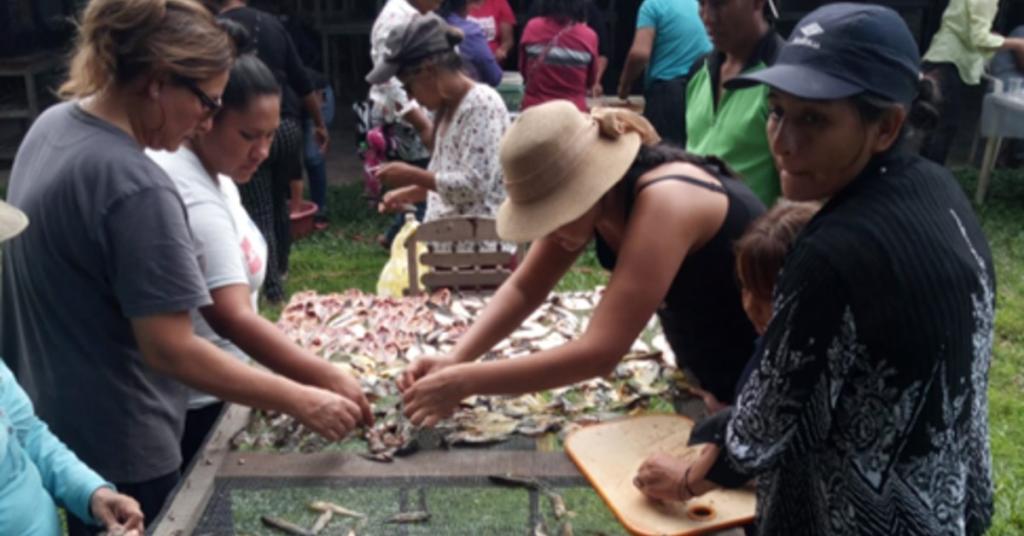
“We've focused in on developing a fish powder, because it's relatively straightforward to produce, but especially because it has considerable nutritional qualities, nutritional value. The goal of the project was…[that the] product would be made by women, and designed by women, and owned by women.”
Women were the sole contributors at all levels, from owning the fishponds and harvesting of the fish, to the development of the commercial product, which included coming up with the name, the packaging and the label.
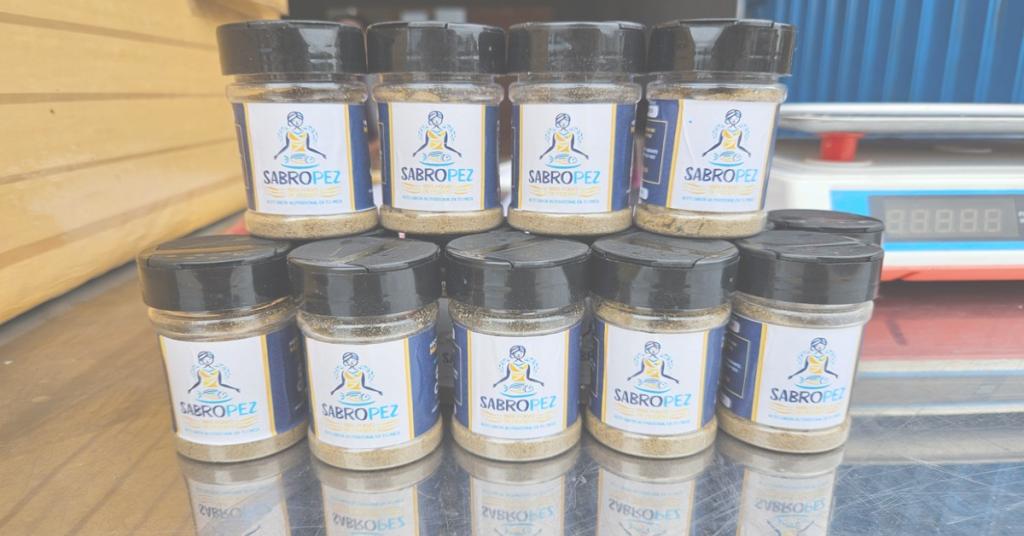
“[They] came up with a couple ideas, went actually into the market…and collected feedback from consumers…on what brand they liked,” Irwin explains. “Which colour scheme…which logo and things like that.”
Customer feedback informs new product launch
The product’s final name was “Sabropez,” which translates to “taste of fish.”
“They developed the product, and then got it up to a commercial level,” Irwin says. “In the last few months they've been spending a lot of time…just building out that market, doing the sales pieces, trying to reach consumers.”
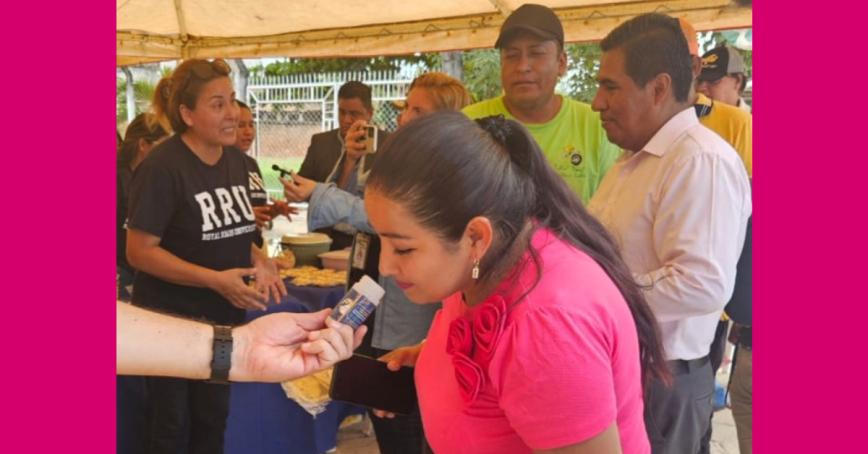
This has included taking Sabropez to markets and fairs to have people try the product.
Taste tests spark culinary creativity
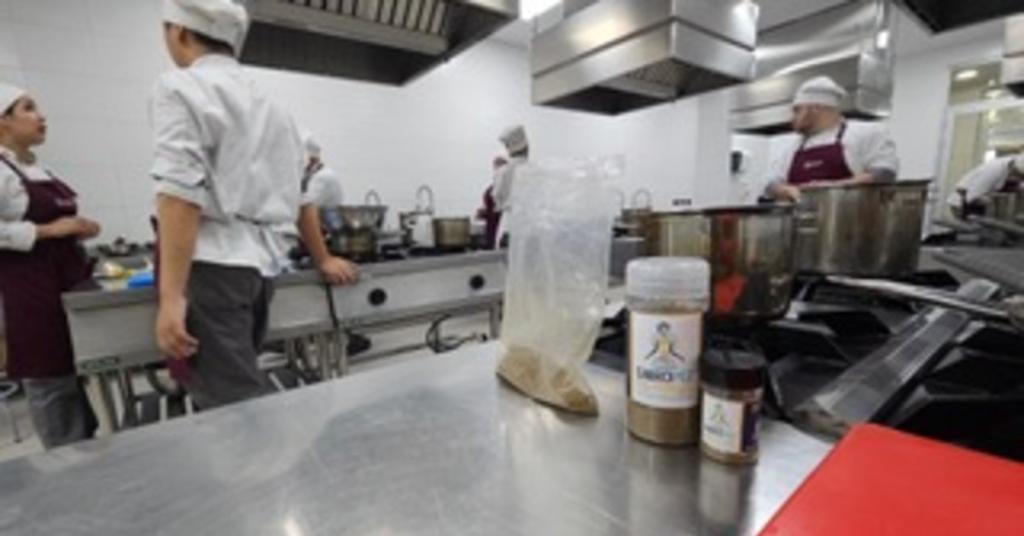
“We've partnered with a lot of cooking schools and restaurants with the idea of demonstrating all the ways that you can use the powder,” Says Irwin.
“The idea behind the powder is that you just sort of add it to anything you want.” It’s like salt, you know, you can sprinkle it on a salad, put it in a soup, put it in a sauce, whatever you want…it actually works quite well as a flavor enhancer.”
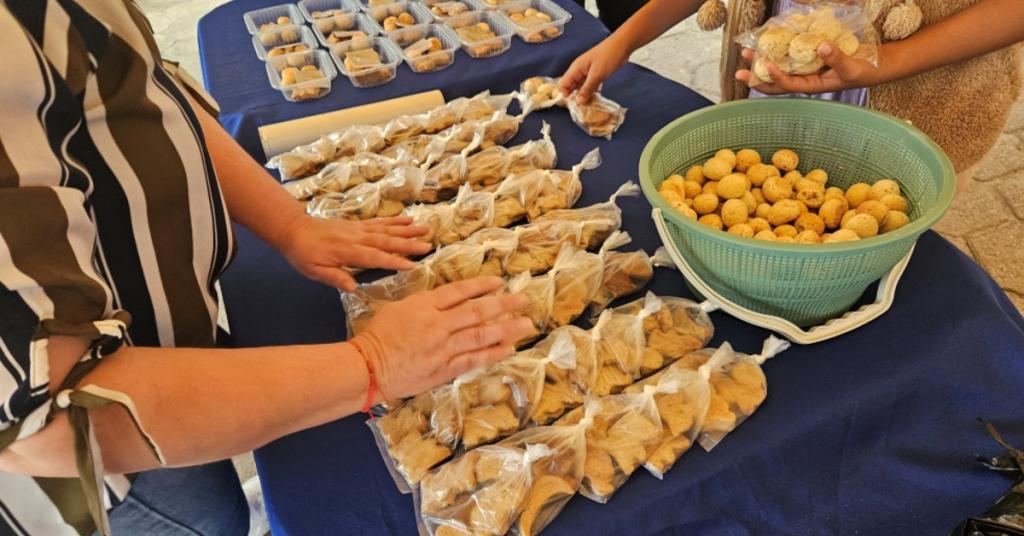
The culinary schools and restaurants took fish powder to a more “haute cuisine,” route, but Irwin mentions that many of the owners on this project did their own experimentation. One of the most favoured results being the inclusion of fish powder in “cuñape,” a popular cheese bread snack in Bolivia.
“[For the fish powder they] dry [the fish] out and once it's dried and everything, it doesn't actually have a particularly strong taste,” Irwin explains, saying it’s not very overwhelming.
Confidence grows with product success
Throughout the last ten months Irwin has gotten to see significant growth in confidence from the women behind this project.
“There's a lot of pride in that ownership piece and taking on something that is…pretty tangible,” he says. Made by women, owned by women, designed by women, is rare in most places, but even moreso in Bolivia. The funders from Fund for Innovation and Transformation (FIT), came to view the project and “they got to see that [passion and enthusiasm] at a very tangible level. They got to feel it.”
[We have] some excellent, excellent partners in Bolivia who are implementing the project, Irwin says. “Experts in aquaculture, experts in business and marketing, experts in gender and women's empowerment and so on.
“Seeing them get recognized for their work and heart and innovation…is very rewarding.”