
From play to participation: Helping children learn about their rights
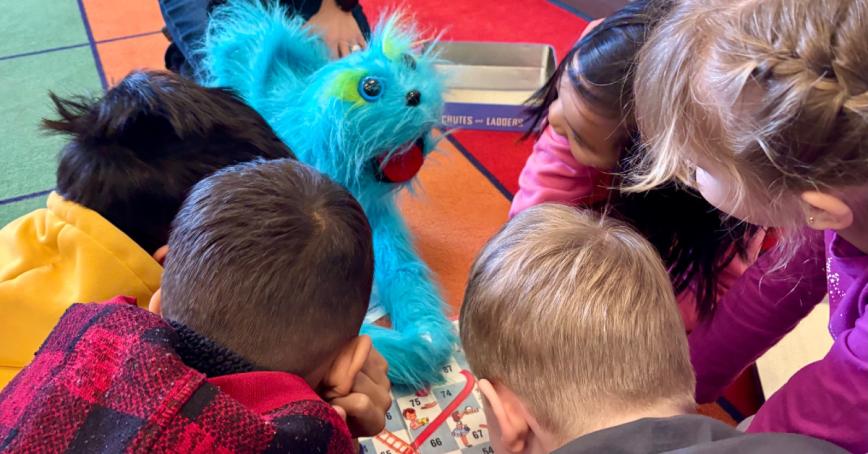
In elementary classrooms in Victoria, children gathered around a table to do something few adults ever ask of them: help design how their own rights should be taught.
Explorations led to designing a game to teach the topic. The children voted on scenario cards and tested early versions of a board game reflecting their ideas about play and collaboration.
A new board game is taking shape, one built not just for children, but shaped with them.
Called Rally for Rights, the game is part of a five-year SSHRC-funded research project, Child Rights Education in Diverse Global Contexts and Times of Crises – A decolonizing, participatory action research project with educators, children and community members in Canada and Uganda, led by Royal Roads University professors Shelley Jones and Kathleen Manion, working alongside partners in both countries.
The project is supported by the Social Sciences and Humanities Research Council, the Capital Regional District and the Province of BC Community Gaming Grants and delivered in partnership with the International Institute for Child Rights and Development.
The broader project focuses on children’s rights education by developing arts-based, creative tools that help elementary teachers and their students understand their rights under the United Nations Convention on the Rights of the Child, and how those rights connect to responsibilities within their communities.
The board game is one outcome of that work. It also reflects the importance of play-based learning, treating rights education as something children can actively experience.
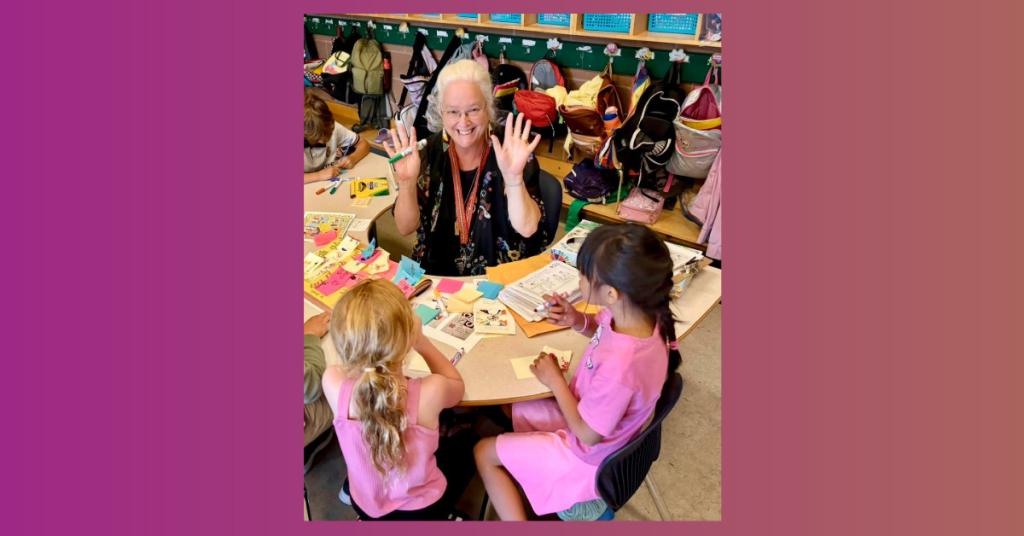
Teaching children what their rights mean
Children’s rights education can sound abstract, especially for young learners. In practice, Manion says it begins with a child-friendly version of the UN Convention on the Rights of the Child so they know what their rights are and how to enact them.
“You have the right to housing and education and health care,” she says, “but also responsibilities to be kind and to include others and be respectful of their rights.”
A key challenge, she adds, is that many educators have never been taught how to approach children’s rights in the classroom.
“A lot of teachers in a variety of settings do not know very much about children’s rights education, nor that it is the responsibility of states to ensure that children know about their rights. That is a huge gap globally, not just in Canada.”
The research team works with teachers to find ways the United Nations Convention on the Rights of the Child fits into their existing curriculum, both in British Columbia and in Uganda.
“Children’s rights are implicitly integrated into the curricula in both BC and Uganda, but they are typically not explicitly highlighted or drawn out. We hope to help teachers do that with this project,” says Jones.
Designing a game with children
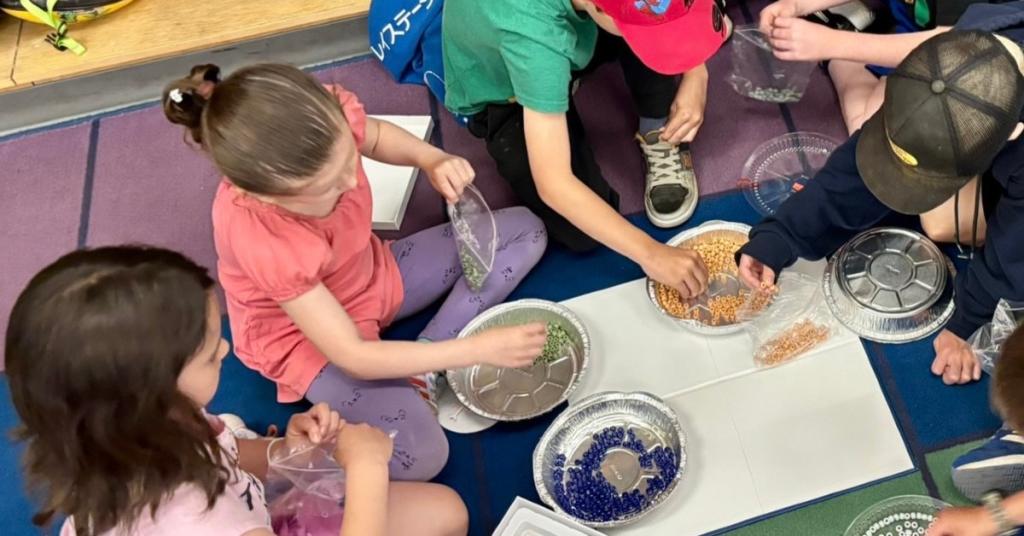
Elaina Mack, a researcher and child rights educator who has worked in the field for more than a decade, helped lead the game’s development alongside Manion. From the beginning, children were involved in shaping what the game would become.
In workshops held in 2025, students became “game detectives.” They explored what makes a game fun, how you win, whether it should be collaborative, and what kinds of materials and scenarios make sense for different age groups.
“We had an initial idea of using Snakes and Ladders,” Manion says. “But it is actually a game of chance and a little bit dull.”
Instead, the team moved toward a more choice-driven game, inspired in part by The Game of Life, where players move along different paths and respond to scenario cards. In Rally for Rights, those scenarios reflect everyday situations connected to rights and responsibilities.
“We really wanted to bring young people’s ideas to life through the game so that they could see that their ideas were incorporated,” Mack says. “It was not about us coming up with something and then asking for feedback. It was about hearing their ideas from the beginning and letting children shape the game.”
Four rights children can carry with them
The workshops also focused on four key messages that help children remember what their rights mean in daily life. Children learn about the right to be safe, the right to be healthy, the right to be heard and the right to be themselves, using movement and hand actions to make the ideas physical and memorable.
“They have to be able to see it and feel it,” Mack says. “I am hoping from this board game that they get to experience children’s rights through the game.”
The team also helps children think about the difference between needs and wants, and how rights connect to responsibilities held by others in their lives.
“Who holds those responsibilities?” Mack asks. “Children, their peers, parents, grandparents, doctors, government? What does that look like in your community?”
Learning across Canada and Uganda
The partnership between Canada and Uganda has shaped not only what children are learning about their rights, but how the game itself is being imagined.
While students in both countries spoke about the importance of rights and play, their experiences of play were not the same. In Uganda, board games are far less familiar, which changed how the research team had to think about what kind of game would make sense.
The team initially planned to adapt the Canadian version of the game for use in Uganda but quickly realized this would not resonate meaningfully with the lived experiences of Ugandan children.
This led to a “mini” research project, led by two librarians in Uganda who had been involved in the larger project, where children identified scenarios from their own context and experiences, and created a complementary Uganda-based version of Rally for Rights. The children in Uganda loved the game.
Why children’s rights education matters now
For Mack, the work feels especially timely because children are absorbing what is happening around them, from climate change to war to bullying in schools, without always having ways to process it.
“Children see and feel and experience what is happening in the world,” she says. “Children’s rights, I think it provides a way into those conversations.”
Manion sees urgency in a broader social and political shift.
“There is a real move to less humane ways of working together, kind of hyper-individualization,” she says. “The more we give these spaces to children where they are able to collaborate together and talk about the things that are happening to them and make sense of them collectively, that supports their growth and development and builds a better foundation for democratic processes.”
What comes next
The research team is now working with illustrator Kristi Bridgeman to bring the board game to life through artwork that weaves Indigenous ways of being and knowing into the design. They are also developing an educator resource guide to support teachers in facilitating the game in classrooms.
The goal is to bring a playable version back to participating schools so that many of the children who helped shape the game can see and try the final result.
For Manion, Mack and Jones, the legacy of the project is not just a finished board game, but a space for conversation — offering educators, students and families playful ways to experience children’s rights.
“Teachers are the ideal people in children’s lives to help them learn and understand what it means to have rights,” says Jones. “Resources like the board game, that engage children in play-based learning activities, can support this.”
It offers a way for children to talk about what is happening around them and build critical thinking skills about their own rights and the rights of the people around them.