
RRU in the media: The age of the Polycene
We have entered the Polycene – an era defined by overlapping technological, environmental, and geopolitical transformations that create unprecedented complexity.
In his recent blog for The New York Times, Thomas L. Friedman delves into the complex characteristics of the Polycene era, from advances in AI and microchip design, to extreme economic globalization, and the cascade of crises termed polycrisis.
Friedman highlighted the polycrisis work of the Cascade Institute at Royal Roads University as one example of a signifier in this new era:
“For decades, when we spoke about climate change, the narrative was simple and rather binary: more warming bad, less warming good.
The thinking about climate change, though, has undergone a phase change of its own... climate change becomes the spark that ignites cascades of interlocking crises. Together, they put the whole earth in a state of polycrisis — where self-reinforcing events like the melting of the polar ice caps and the destruction of the Amazon, two giant regulators of the earth’s temperature, propel us toward higher and higher temperatures, even without human fossil-fuel burning. This triggers more droughts, floods, wildfires, crop failures and sea-level rise, which in turn unleash economic shocks, mass migration, the collapse of fragile states and the breakdown of trust worldwide.
Two factors are propelling us in this direction, Johan Rockström, director of the Potsdam Institute for Climate Impact Research and Thomas Homer-Dixon, the executive director of the Cascade Institute, wrote in a Nov. 13, 2022, opinion essay in this newspaper: “First, the magnitude of humanity’s resource consumption and pollution output is weakening the resilience of natural systems, worsening the risks of climate heating, biodiversity decline and zoonotic viral outbreaks,” and second, “vastly greater connectivity among our economic and social systems” means that what happens in one country or community can quickly tip into others, with no regard for borders.”
Read the full article in The New York Times.
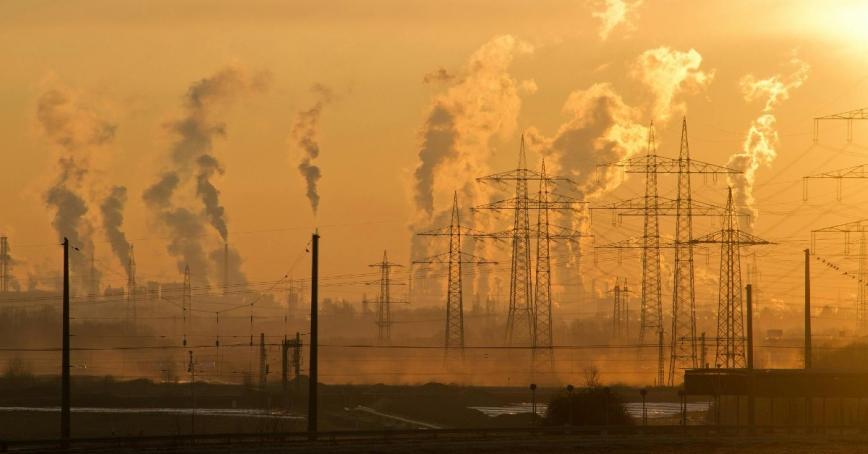
Image by Pixabay from Pexels.